

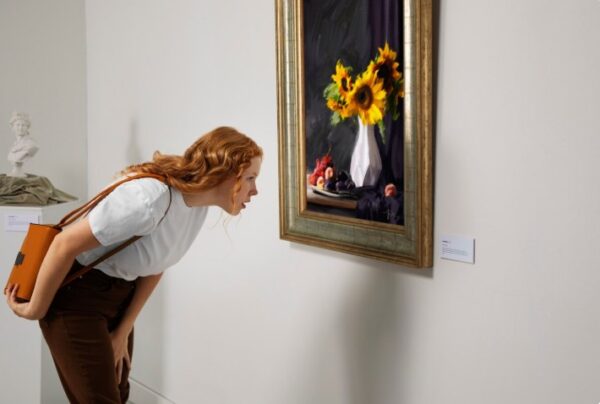
There is no better way to change your home’s look completely than wall art, which can add personality and warmth to any surface. Getting this balance of styling and functionality can be hard, however. These seven tips are useful whether you’ve been decorating for years or are a newcomer to home design (the walls really will be the star of your stylish home hanging here).
- Select Art That Represents Your Identity
Wall art is a great way to tell your story although the most stylish homes in the business have always been those that share their stories; have always been those that tell you something about the people who live there. Pick a few pieces that relates to your interests, your experiences, and your style.
Travel Enthusiast? Pictures of paintings or photos of favorite destinations.
Nature Lover? Choose botanical prints or views of landscapes.
Minimalist? Keep art (abstract or monochromatic) to a minimum.
So by choosing pieces that reflect you and what you’re about, you’re turning your home into a personal sanctuary.
- Practice Scale and Proportion
If wall art is too small or too big you’ll unbalance the room.
Oversized Pieces: When you have a large space of say above a sofa or bed make a bold statement with a single large artwork.
Small Artworks: Curate a cohesive gallery wall, group smaller pieces into a wall.
Proportional Placement: Art above furniture should be two thirds the width of the piece it is flanking.
- Combine Styles for a Visual Interest
Mix up different styles of art, don’t be afraid. Put it all in one space and make it all (as dynamically) engaging as you can.
Then mix vintage oil paintings with modern abstracts for the contrast.
Use pair photography with illustrations for variety.
Add texture with different mediums like canvas and sculptural wall hangings, as well as framed prints.
Mixing styles gives your decor a fresh feel, and stops you looking like one of the herd.
- Use Color to Set the Tone
The colors in wall art can have a great deal to do with setting the mood in a room.
Complementary Colors: In order to maintain a smooth appearance, try matching the art colors to the room’s palette.
Contrasting Colors: Use bold hues in your artwork to energizing to add to neutral spaces.
Monochrome Magic: Timeless sophistication is in place black and white art.
Allow your wall art city define the mood of the room: if you prefer quiet and tranquil or full of life and energy.
- Master the Art of Placement
Your art must be properly placed to showcase it.
Hang pieces at eye level (57 to 60 inches from the floor) the height you naturally see things at.
To use art above furniture on purpose, leave 6–12 inches of space between the artwork and the furniture.
You will want to plan the layout for gallery walls before placing the pictures on the walls; use paper cutouts or templates to see how it looks before you hang it.
- Upon, Focus on Framing and Presentation.
Even very basic artwork can be elevated by framing and become a statement piece.
Traditional Frames: They all add elegance and structure to photographs or prints.
Float Frames: Modern canvas showcases.
No Frame? No Problem! For a laid back feel let canvases or tapestries talk for their own self.
Select frames that go with the artwork, as well as your complete decor.
- Layer Art with Decor
Make your wall art part of your other decor elements for a lived in, curated look.
As a casual layered effect, lean can frame on a mantel or shelf.
Mix art with related accessories such as vases, plants or lighting fixtures.
Combine framed art with sculptural objects for greater depth, using wallmounted shelves.
Layer your art with decor, to help keep it part of the space, and makes it ingrain into the space as a whole.
Bonus Tip: Change It Up Regularly
Your home will never be fashion static. Change your walls by season or as your tastes change. Rotate your art to fit your mood or the theme of your space in order to keep your decor fresh and exciting.

Final Thoughts
Art on the wall adds a personal touch to the space, and is so much more than decoration. There are ways you can choose art prints to resonate with you, think about scale and placement and experiment with styles and textures to create your own space that’s all yours. So with these seven tips you are ready to turn your walls into a feature of your home that will both stylish and memorable.